
The first thing we see is not always the only thing there is to see.
“Look, Daddy. The car caught a star.”
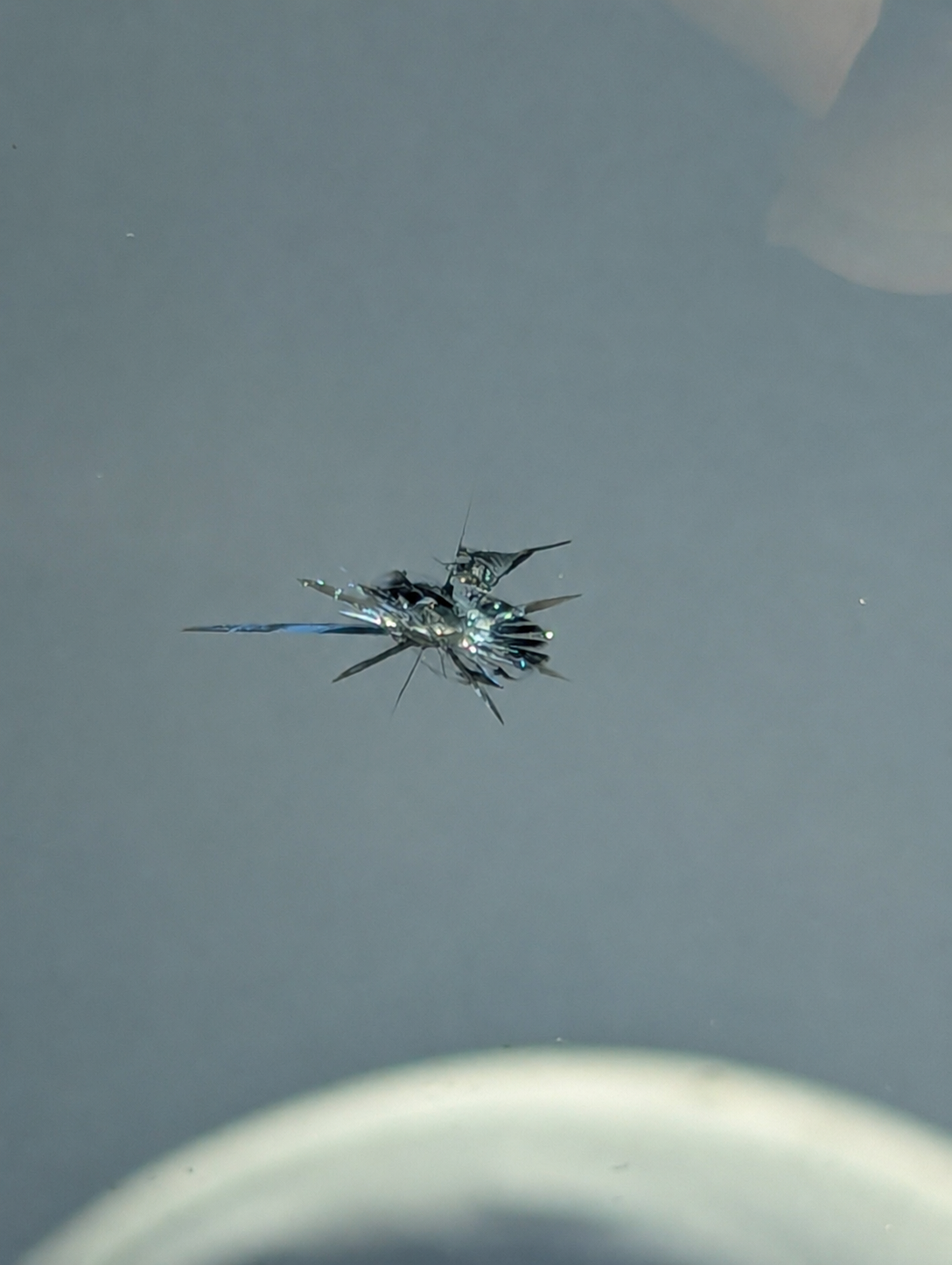
That is what my three-year-old grandson saw when he looked at a crack in a windshield.
My son-in-law saw something very different.
His car was still fairly new, and one of those frustrating star-shaped cracks had appeared in the glass. Understandably, he was irritated. There was the repair, the insurance, the appointment, and one more thing that needed his attention.
Then his son looked at the same windshield and saw a star.
My son-in-law later told me that the comment brought tears to his eyes. Of course, he knew the windshield would need to be repaired. Yet for a moment, he found himself not wanting to lose the little star his son had discovered.
I loved that story. Then, just a couple of days later, almost the exact same thing happened to my windshield. I looked at the crack spreading out across the glass. And guess what I saw? A star.
The Story We Tell Ourselves
The damage to my windshield did not change because my grandson gave me another way to see it. It still needs to be repaired.
What changed was my reaction.
Instead of immediately feeling irritated, I smiled.
It made me think about how quickly we interpret what happens around us, especially when we are busy, under pressure, or responsible for making decisions.
A team member questions an idea and we hear resistance. A project does not turn out as planned and we call it a failure. Someone takes a different approach and we decide they are being difficult.
Sometimes those interpretations may be accurate. The problem comes when they become the only explanation we are willing to consider.
Once we decide someone is being difficult, it can be hard not to carry that assumption into the conversation. We may listen differently, respond differently, and miss what they are actually trying to tell us.
The same thing happens when an idea does not work. We can quickly label it a failure and move on, or stay curious long enough to understand what happened, what we learned, and what we might do differently next time.
Perspective does not mean putting a positive spin on every problem. Some situations genuinely are difficult. Some setbacks hurt. A cracked windshield still needs to be repaired.
What perspective gives us is another way to understand what is in front of us before we decide what to do next.
Borrowing Someone Else’s Eyes
This is one of the things I value about coaching.
A leader can walk into a conversation feeling certain they already understand what is happening. An employee is resisting change, a colleague is not being supportive, or a team member lacks initiative. Once we slow things down and look at the situation from another angle, though, a different picture can emerge. What looks like resistance may actually be someone noticing a risk others have missed, working without all the information they need, or caring deeply about the outcome, but not expressing that concern very effectively.
Nothing about the situation has magically changed. What has changed is the number of possibilities the leader can see. And when we can see more possibilities, we have more choices about how to respond.
Sometimes it helps to ask ourselves:
What am I assuming?
What else could be true?
What might someone else see that I am missing?
Questions like these do not mean giving up our own perspective. They give us a chance to widen it. The people around us bring different experiences, personalities, backgrounds, roles, and ways of thinking, which means they may notice something we have completely overlooked. That difference in perspective can be incredibly valuable, and sometimes the person who sees the situation differently is exactly the person we need in the room.
I Still Have My Star
For now, the little star is still in my windshield. Every time I notice it, I think of my grandson and smile.
Soon I will have to get it repaired. And strangely enough, I think I may actually miss it when it is gone. Not because I want a cracked windshield, but because it has become a wonderful little reminder that the first thing I see is not always the only thing there is to see.
A crack can still be a crack. And sometimes, it can also look like a star.
© 2026 Center for Dynamic Knowledge. All rights reserved.
This content is the intellectual property of Center for Dynamic Knowledge and may not be reproduced or shared without permission.